Part one
Why the top view is the most important stage of planning
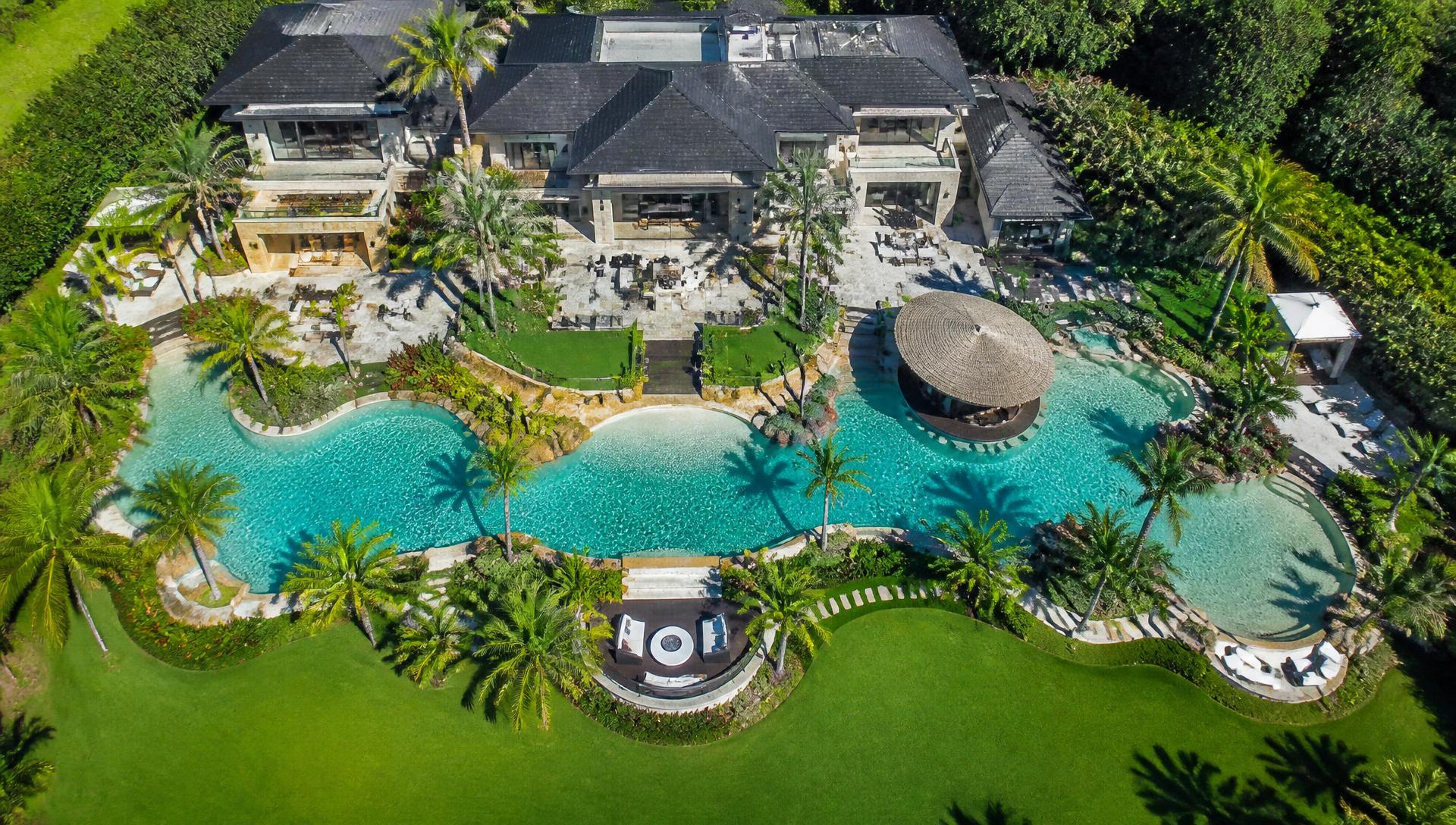
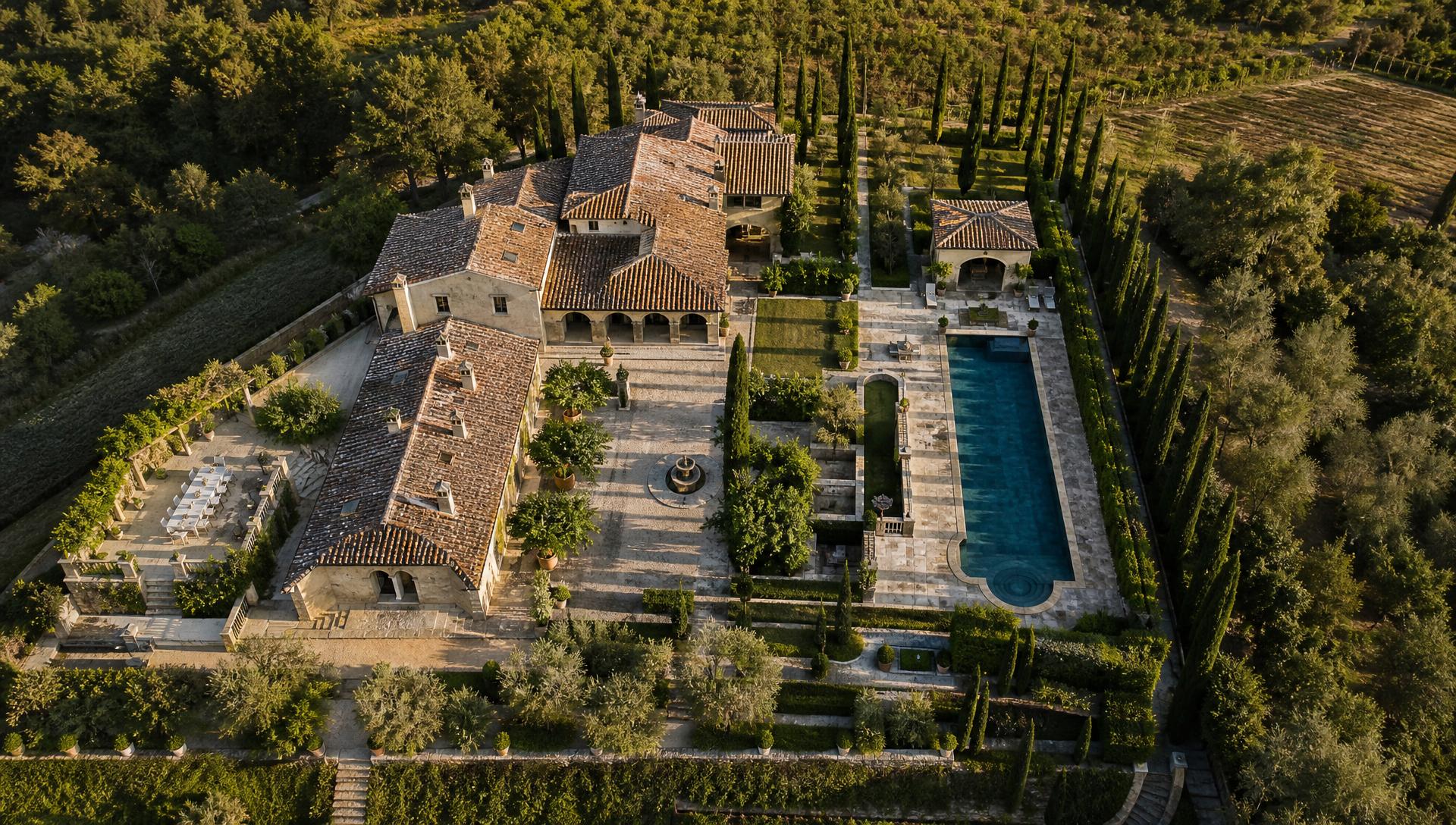
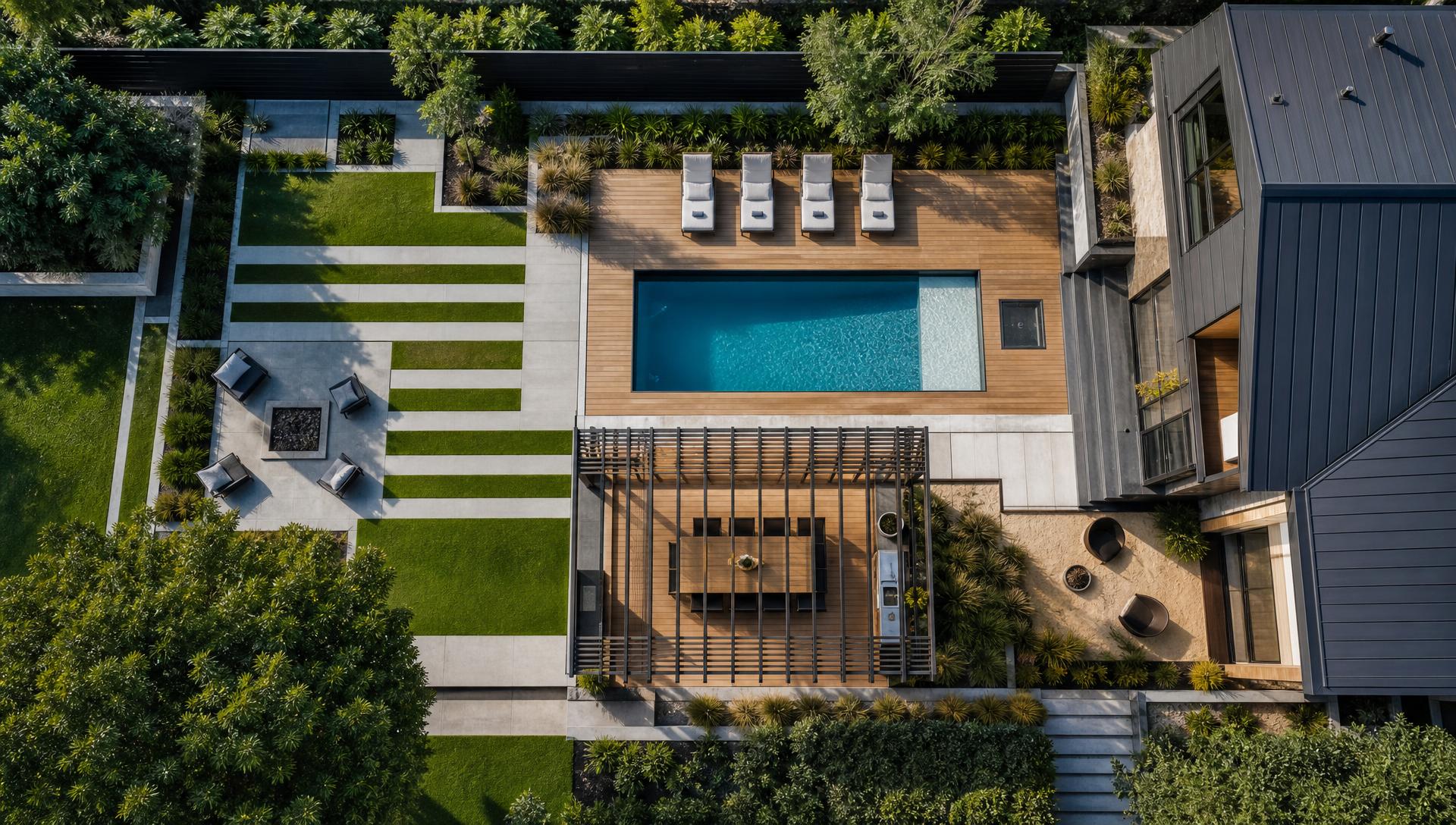
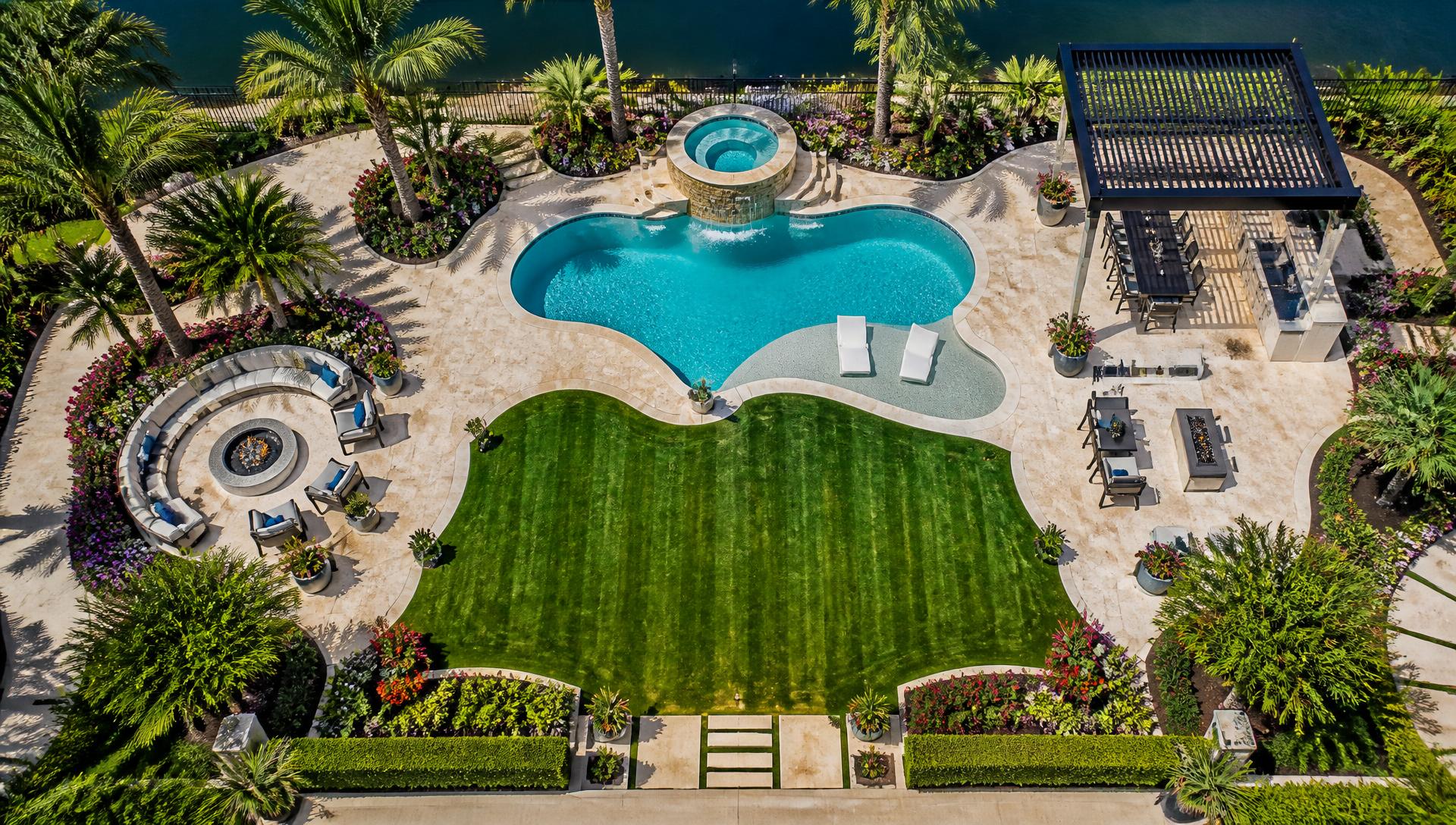
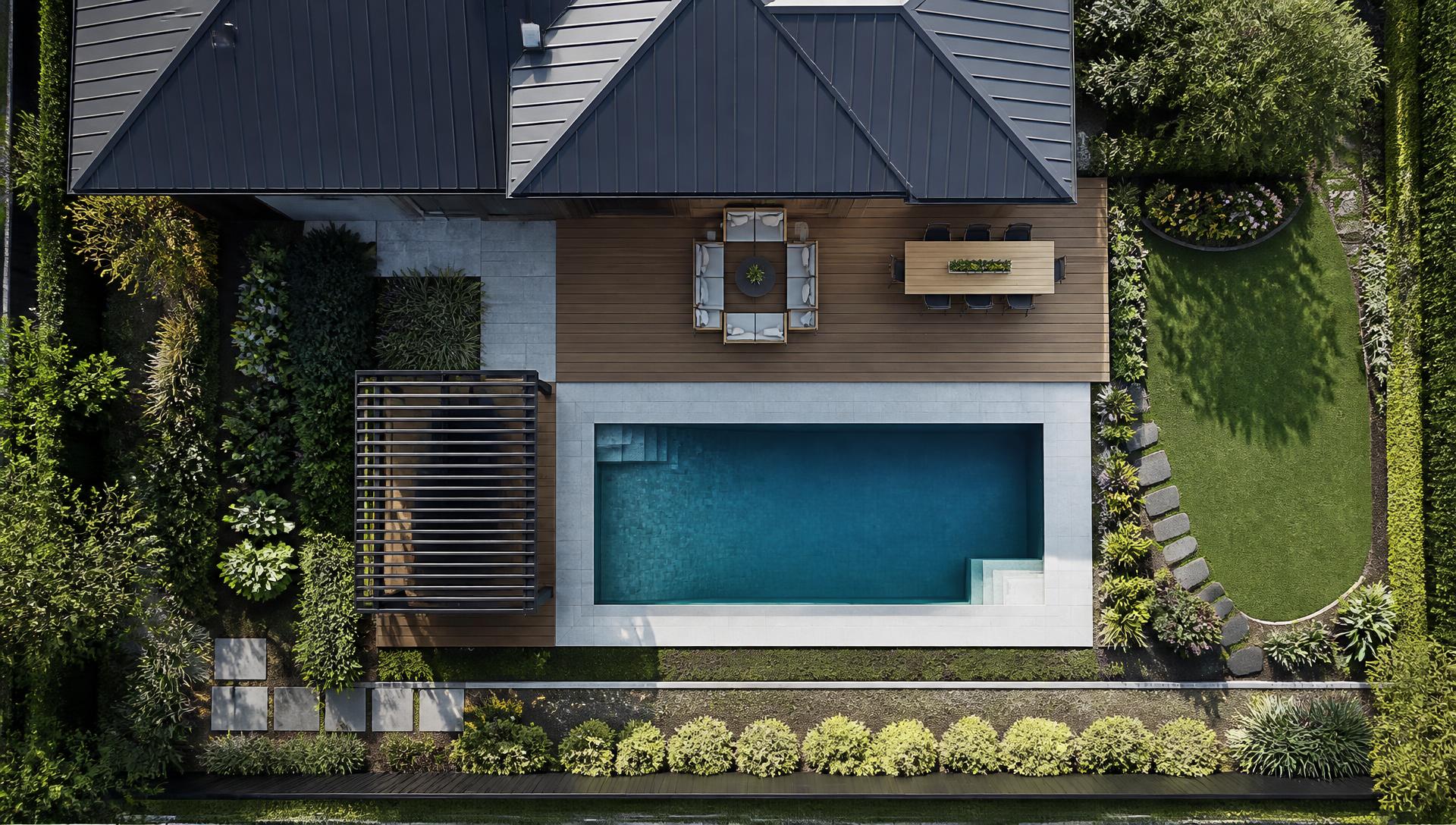
The first thing a birds-eye view gives you is proportion. Seen from above, a pool, a timber deck and a lawn each read as a deliberate shape, and the gaps between them matter as much as the shapes themselves. From ground level you would never notice that balance; from a drone view it is the only thing you see. That is why designers begin here, long before choosing pavers or plants.
This is also why so many designers now sketch a rough top view before ever picking a paving colour or a plant palette: it forces the big decisions — how much of the yard is hard surface, how much is lawn, how much is garden bed — to be made deliberately rather than by accretion as the project develops.
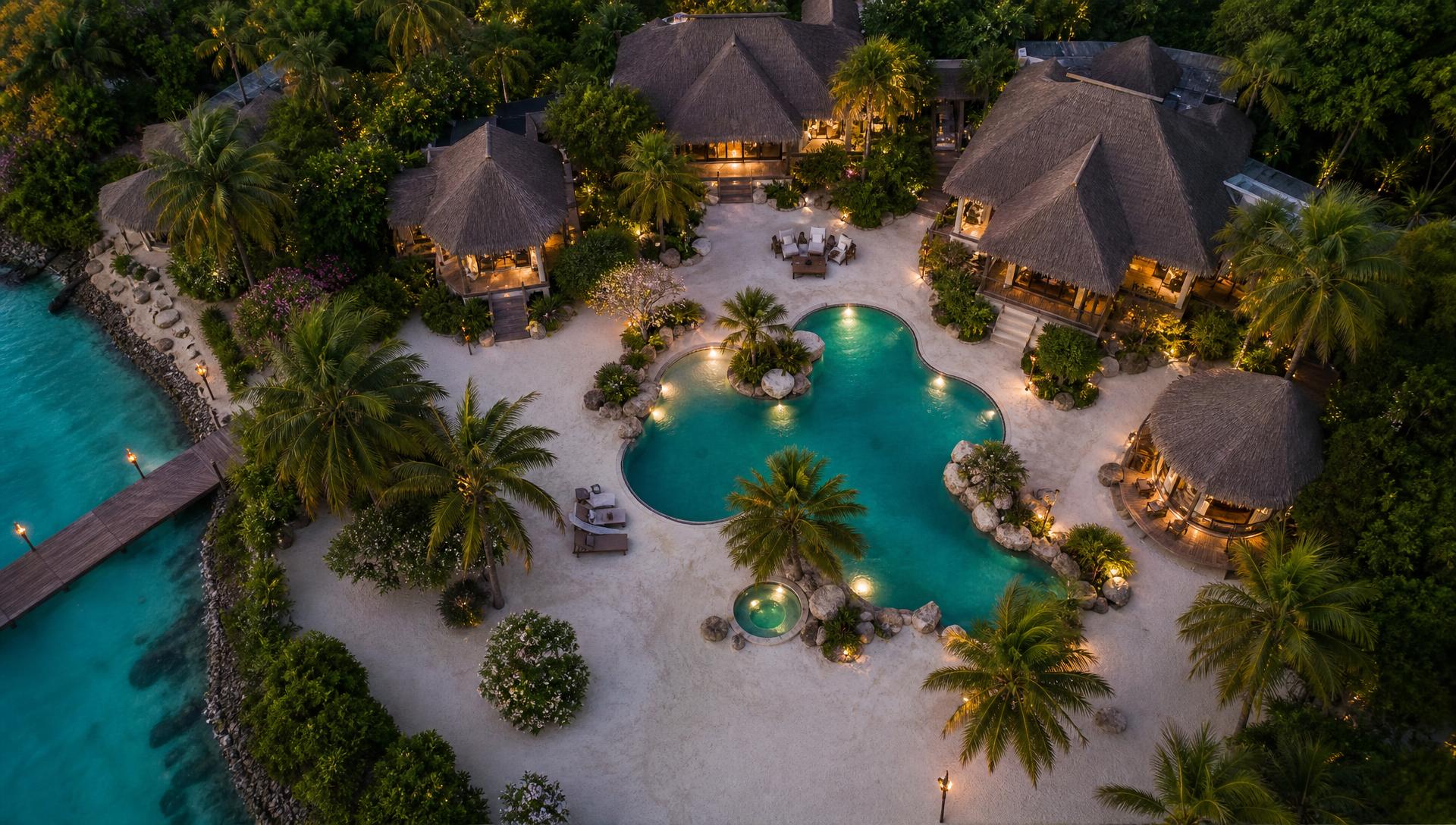
A top view is also the honest test of whether your yard can hold everything you want in it. Measure the block, draw it to scale, then place the pool, the terrace and the lawn as blocks of area. If they do not fit on paper, no amount of clever detailing will make them fit on site. Freeform, resort style pools especially need to be set out from above, because a curve drawn at eye level usually ends up lumpy, too narrow to swim in, or awkward to pave around.
Drone photography has made this kind of checking far easier for an ordinary homeowner than it used to be. A single overhead photograph taken from a small consumer drone, printed and marked up with a scale ruler, does most of what a professional survey plan does for the purposes of laying out a pool, a deck and a lawn, and it costs almost nothing compared with the price of getting the proportions wrong in the ground.
The plan view is where you plot shade too. Palms, cabanas and pergolas throw shadows that travel across the yard through the day, so mapping them from above lets you put seating where it will be comfortable at 1pm rather than where it merely looked good on a sketch.
Materials read differently from directly above than they do at eye level, which matters for anyone using a top view to choose finishes. A pale stone terrace can look larger and more dominant in an aerial photograph than it feels standing on it, while a timber deck of the same size tends to recede and blend with surrounding planting — worth knowing before committing to a material based on a render alone.